
Tata Motors Finance Settlement Analyzed
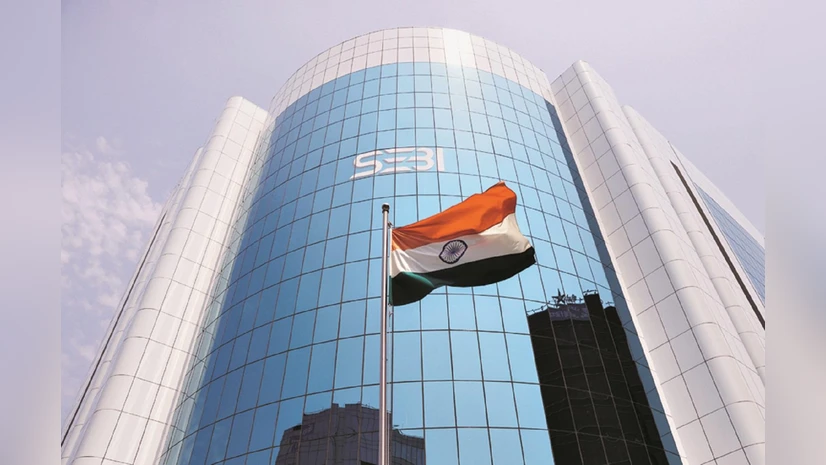
Tata Motors Finance recently paid a fine of Rs 32 lakh to the Securities and Exchange Board of India (Sebi) because they broke some rules when selling debt. This means Sebi, the group that watches over the stock market, found problems with how Tata Motors Finance sold some of its debt. They’ve now reached a deal to fix it, and it’s important for companies to follow the rules to avoid similar issues in the future.
Key Points
- Tata Motors Finance paid Rs 32 lakh to Sebi.
- Problem was with debt issuances from 2019-2022.
- Debts were privately placed but sold widely within six months.
- This made the debts appear like public offerings to investors.
- Violation of Companies Act and debt securities regulations occurred.
- Settlement reached without admitting wrongdoing by Tata Motors Finance.
What Happened Specifically?
The issue centers around five types of debt called “Tier-II perpetual non-convertible debentures.” These were originally sold to a small group of investors – private placements. However, Tata Motors Finance quickly sold these same debts to over 200 different investors within just six months. Because of this rapid selling, Sebi considered these debts to be like public offerings, which is generally restricted.
Which Rules Were Broken?
Sebi pointed out that Tata Motors Finance wasn’t following the rules outlined in the Companies Act and the regulations for how debt securities are sold. These regulations are in place to protect investors and ensure fair practices in the market. It’s crucial for companies to understand and adhere to these rules to maintain trust with their investors.
How Was the Problem Fixed?
Tata Motors Finance decided to settle the case without saying they did anything wrong. This is common in these types of settlements, but it highlights the importance of transparency and following regulations to avoid penalties and maintain a positive reputation.
“Compliance with regulations isn’t just about avoiding fines; it’s about building trust and ensuring a stable financial market.”




