
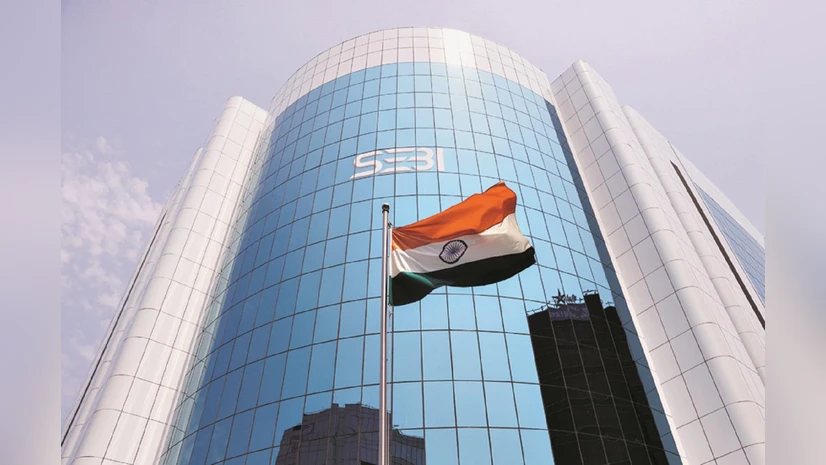
Sebi Disposes of Insider Trading Proceedings – Analyzed
- Sebi closed cases due to lack of definitive evidence of UPSI.
- Adani Group individuals denied using confidential information for trades.
- Public information pre-dated trades, complicating regulatory proof.
- Settlement attempts failed, leading to continued adjudication process.
- Second favorable order for Adani Group in recent months.
- Regulatory actions address concerns about potential market manipulation.
The Securities and Exchange Board of India (Sebi) has decided to drop its investigation into potential insider trading involving members of the Adani Group. Specifically, Sebi closed cases against Pranav Adani, Kunal Shah, Nrupal Shah, Vinod Bahety, Tarun Jain, and MC Jain Infoservices related to trades surrounding the acquisition of SB Energy by Adani Green Energy (AGEL) in 2021. This means Sebi couldn’t prove the individuals used secret information to make money from these trades.
Initially, Sebi accused Pranav Adani of sharing unpublished, price-sensitive information (UPSI) about the deal with Kunal and Nrupal Shah, who then bought AGEL shares before the public announcement. However, the defendants argued that news reports already revealed the details. Sebi acknowledged this complicated their case.
In a separate case, Vinod Bahety, a former Adani Group executive, was also cleared. He was accused of communicating UPSI to Tarun Jain, who subsequently profited from trading AGEL shares. Bahety and his associates claimed the deal was still in early stages and not considered confidential at the time.
These decisions are important because they demonstrate Sebi’s process of investigating potential market manipulation. The fact that Sebi stopped these cases without penalties underscores the challenges in proving insider trading, particularly when public information is already available.
“Ultimately, Sebi needed strong proof that someone used secret information to gain an unfair advantage in the market.”




