
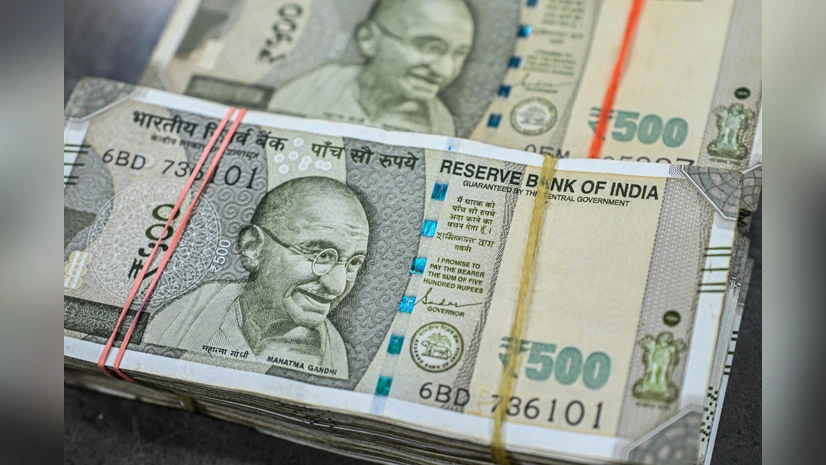
Rupee’s Movement Analyzed
The Indian rupee had a positive day, gaining value against the US dollar. It moved up by 12 paise, ending the day at 90.18 rupees. This happened even though there were some worries in the global markets. Let’s break down what’s going on.
Key Points
- Rupee gained 12 paise, closing at 90.18 against the dollar.
- US dollar index declined, impacting the rupee’s movement.
- Weak stock market and tensions between US & Venezuela affected gains.
- Crude oil prices and FII outflows may pressure the rupee.
- RBI intervention and weak dollar could support the rupee.
- Service sector growth moderated, adding to market concerns.
What Happened Today?
On Tuesday, the rupee went up by 12 paise. It started the day at 90.22 and traded between 90.08 and 90.25 before settling at 90.18. This increase was partly because the US dollar was getting weaker.
Several factors contributed to this movement. The US stock market wasn’t doing well, and there were problems between the United States and Venezuela. These worries made investors nervous about the rupee’s value.
Why the Dollar Changed
The US dollar’s value went down a little bit because of some bad news about the US economy. The US Manufacturing Purchasing Managers’ Index (PMI) was lower than expected, which made investors think the US economy might be slowing down.
What Experts Think
Anuj Choudhary, a research analyst, believes the rupee will likely stay weak because of the ongoing tensions and rising oil prices. He thinks the Reserve Bank of India (RBI) might step in to help support the rupee if it falls too much.
Overall Market Conditions
The Indian stock market, called the Sensex, also went down, which added to the negative feeling about the rupee. Investors were selling off shares, and growth in the services sector slowed down, adding to the overall uncertainty.
“Understanding these connected forces – global events, currency values, and market sentiment – is crucial for navigating the rupee’s fluctuations.”




