
Railway Share Prices Analyzed
On Friday, the companies that work with the Indian Railways – like Rail Vikas Nigam and RailTel – saw their stock prices jump significantly. This happened right after the railways announced a new way of setting passenger ticket prices. Investors reacted positively, with some stocks rising as much as 10%!
Key Points
- Railway fare increase announced, impacting premium train prices.
- Small price hike: 1 paise/km for non-AC, 2 paise/km for others.
- Suburban fares unchanged, protecting daily commuters’ costs.
- Expected revenue boost: ₹600 crore this year, ₹2400 crore annually.
- Fare hike aims for long-term railway operational sustainability.
- Significant gains across major railway-related company stocks.
What Changed?
The Indian Railways changed how much they charge for tickets. They increased the prices a little bit, just a small amount per kilometer traveled. This wasn’t a huge increase, but it was enough to make investors happy.
The prices went up by one paise (a tiny bit of money) per kilometer for regular trains without air conditioning. For faster trains like Rajdhani and Shatabdi, the price increased by two paise per kilometer. These changes apply to many popular trains, including Vande Bharat and Amrit Bharat.
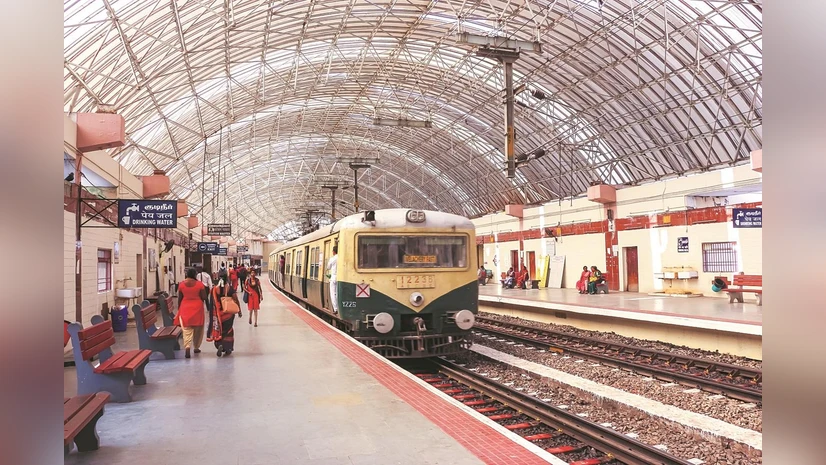
But, good news for regular travelers! The price of tickets on the local, commuter trains (the ones that go into big cities) didn’t change. This means people who travel on these trains every day won’t have to pay more.
Why Did This Happen?
The railway company says they needed to make more money to keep the trains running smoothly. They expect to earn about 600 crore rupees this year, and potentially almost 2400 crore rupees each year if more people keep using the trains.
The government explained that they carefully chose how much to raise prices, making sure it wouldn’t hurt people who travel a lot, while still making sure the railways have enough money to fix and maintain the trains.
Several companies involved in building and working on railways saw their stock prices rise. This shows investors believe the railway’s new plan will be good for the business.
“This strategic fare adjustment is a crucial step towards ensuring the long-term viability and continued expansion of India’s railway network.”




