
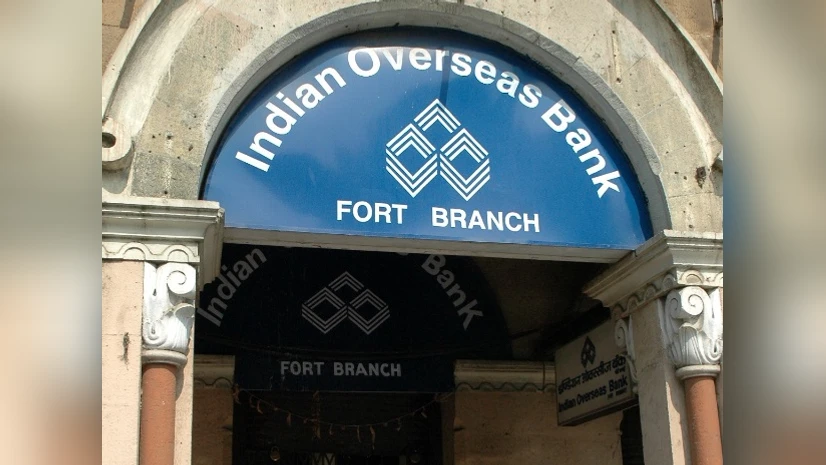
Government’s Indian Overseas Bank Sale Analyzed
The Indian government is planning to sell a portion of its shares in Indian Overseas Bank (IOB), a major state-owned bank. This sale, called an “Offer for Sale,” will allow investors to buy shares in IOB. The government wants to reduce its ownership, which currently stands at 94.61 percent.
Key Points
- Government aims to sell up to 3% of IOB shares.
- Initial sale: 2% (385.1 million shares) with optional 1%.
- Potential revenue: Approximately ₹2,100 crore at current price.
- Employee share option: Up to 150,000 shares available.
- Sees rules: Meets Sebi’s 25% public shareholding requirement.
- Other PSU banks: Punjab & Sind Bank, UCO Bank, Central Bank.
The “Offer for Sale” will allow investors to buy shares in IOB. The government’s goal is to reduce its control over the bank. This move follows a similar sale of shares in Bank of Maharashtra.
The amount the government could earn depends on the stock price. At the current price, they could potentially raise about ₹2,100 crore if they sell the full 3 percent stake. This is important because the government needs to ensure there’s enough public investment in the bank.
A small number of shares—up to 150,000—are set aside for eligible employees. These employees can apply for up to ₹5 lakh worth of shares. This helps maintain a balance and allows key personnel to participate in the bank’s growth.
The sale is tied to rules set by Sebi, which requires companies to have at least 25% of shares owned by the public. This ensures a broad base of investors and promotes fairness in the stock market.
Several other public sector banks, including Punjab & Sind Bank, UCO Bank, and Central Bank of India, are also working to meet these public shareholding requirements. This indicates a broader trend among the government’s investments.
Meeting Sebi’s public shareholding rules is vital for long-term bank stability and investor confidence.




