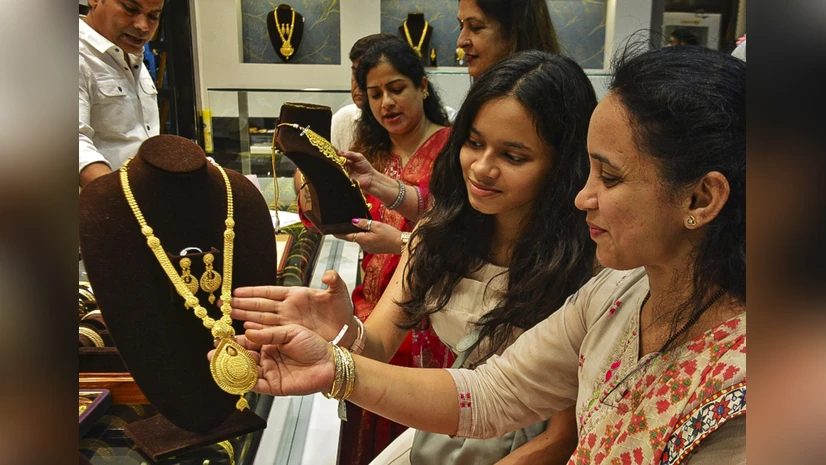
Gold Investments Analyzed
Thinking about buying gold jewelry to protect your money? It might not be the smartest idea, according to experts. Instead, investing in gold through exchange-traded funds (ETFs) or buying gold coins, bars, and bricks is a better strategy. Here’s why.
Key Points
- Gold jewelry often costs more than its actual gold value.
- Jewelry includes expensive gemstones that decrease overall returns.
- ETFs and physical gold offer better investment potential.
- Gold holdings have grown significantly in India ($2.113 Trillion).
- ETF demand is strong, increasing global holdings substantially.
- Gold jewelry demand is down year-over-year, impacting returns.
Gold jewelry often costs more than its actual gold value. The price of jewelry includes valuable gemstones like diamonds, which can be expensive and don’t always increase in value like gold itself. This means you’re paying extra for the stones, and those extra costs cut into your profits.
The World Gold Council found that gold prices are only 60 to 70 percent of the cost of jewelry. This means if you buy a gold necklace, a big chunk of the money is going towards the diamonds and other gems inside, not just the gold.
In 2025, gold prices fell, leading to a decrease in demand for gold jewelry in India and China. However, investment in gold ETFs – which are like investment funds that hold gold – remained strong. People were still buying these ETFs, which helped boost the value of gold overall.
Indian households have invested almost $500 billion in gold and precious stones, and foreign investors have put $200 billion into equity markets. The value of these gold holdings has grown dramatically, from $694 billion in 2014-15 to $2,113 billion by the end of FY25. This demonstrates the increasing interest in gold as an investment.
Global gold ETF demand has been exceptionally high, with $77 billion in inflows so far this year. These ETFs have added over 700 tonnes of gold to their holdings. Even when looking back to May 2024, total gold ETF holdings are up by 850 tonnes, which is less than what’s seen in previous gold booms – there’s still plenty of room for growth.
The World Gold Council found that gold jewelry demand decreased by 18% year-to-date, reaching 1,095 tonnes, while still staying above the 894 tonnes from 2020. This shift emphasizes the importance of alternative investment methods for maximizing gold’s potential.
“Ultimately, investing in gold through ETFs and physical assets provides a more direct and potentially profitable way to capitalize on the value of this precious metal.”