
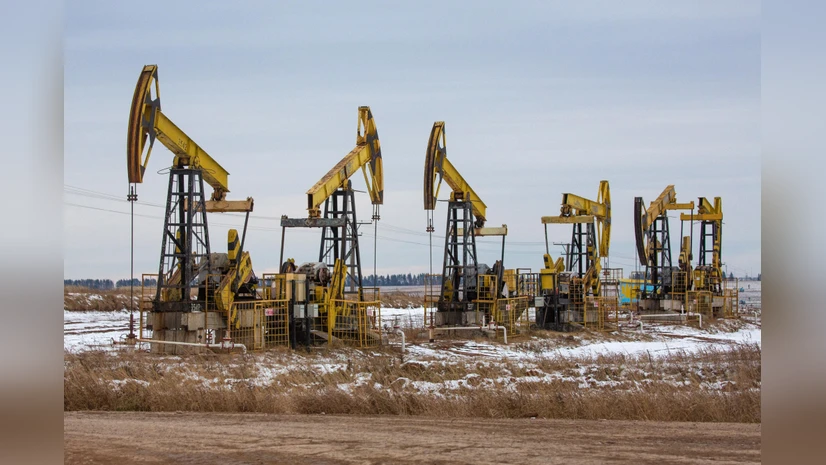
Global Crude Oil Market Analyzed
Key Points
- Opec+ is limiting oil supply to keep prices stable.
- Global oil demand is growing, but slower than before.
- China’s oil demand growth is slowing down.
- India is becoming a major driver of oil demand.
- US oil production is high but may be nearing a peak.
- Geopolitical risks are creating price uncertainty.
The world’s supply of oil is carefully managed. Opec+, a group of oil-producing countries, is currently limiting how much oil they sell. This is done to avoid prices going up too quickly.
However, global demand for oil is still increasing, but not as much as it has been. This means there’s a lot of oil being produced, and not as much being used.
China, which used to be a huge driver of oil demand, is now using less oil because it’s switching to cleaner energy sources like electric vehicles. Meanwhile, India is becoming a much bigger player in the oil market, thanks to its fast-growing economy and rising demand for fuel.
The United States is still producing a lot of oil, especially from the Permian Basin. But experts believe this production might not grow as quickly as it has in the past, and could even start to decline.
Because of conflicts like the war in Ukraine, there’s always a risk that oil supplies could be disrupted, which can push prices up. This creates uncertainty in the market.
Currently, Brent crude oil is trading around $60-$61 per barrel, and West Texas Intermediate (WTI) is near $60. Despite this, experts believe prices could drop slightly because of a build-up in oil inventories.
Opec+’s decisions and uncertain geopolitical events are creating a “tug-of-war” in the market. The group’s efforts to control supply are being challenged by the continued rise in oil production from countries like the US. This means oil prices could fluctuate, but for now, they’re expected to remain around $57-$61 per barrel.
Ultimately, understanding the global oil market requires recognizing the delicate balance between supply, demand, and risk.




