
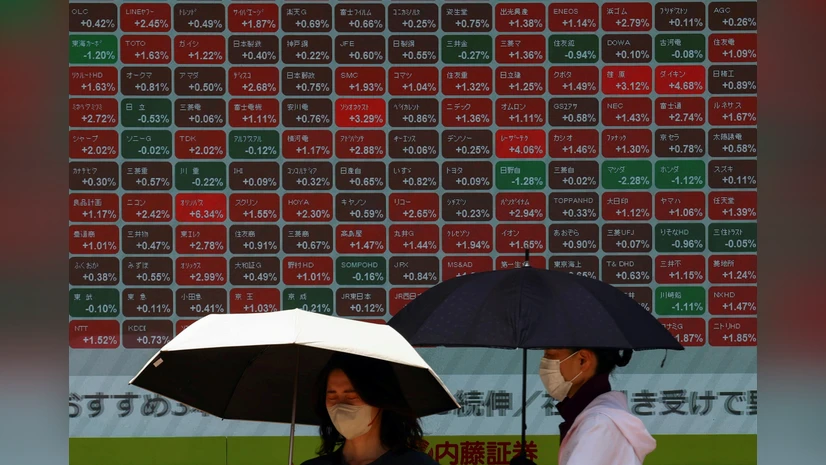
Asian Markets Stabilize After November Turbulence
Asian stock markets finished November with a positive trend, signaling a shift after a difficult month. This recovery is largely due to increased hopes that the U.S. Federal Reserve will soon cut interest rates. U.S. markets, closed for Thanksgiving, saw muted trading, while European stocks generally rose.
Key Points
- Asian markets gained ground after a tough November.
- U.S. rate cut hopes boosted investor sentiment.
- U.S. markets closed for holiday trading.
- European stocks rose, currencies remained calm.
- Fed rate cut chances increased to 85%.
- Treasury yields fell, marking a fourth monthly decrease.
November was a particularly bumpy month for global stock markets. Concerns about overvalued technology companies shook the market, and a prolonged U.S. government shutdown added to the uncertainty. The cryptocurrency market, represented by Bitcoin, also experienced a significant drop.
The lack of economic data during the shutdown made it harder for the Federal Reserve to decide on future policy changes. However, comments from influential Fed officials, like Christopher Waller and John Williams, indicated support for a rate cut in December, which significantly improved market confidence.
Markets now see an 85% chance of a rate cut by the Fed in December, a big change from just 30% a week earlier. This shift is driven by the belief that inflation is under control and that economic growth will continue at a reasonable pace.
Meanwhile, Japan’s Bank of Japan (BOJ) is facing pressure to raise interest rates, despite data showing rising consumer prices in Tokyo. This pressure is reflected in market expectations, with bets on a rate hike now at around 30%.
The Japanese Yen, which had fallen to a 10-month low, saw little movement, with investors watching for potential intervention from the Japanese government. Globally, the Australian and New Zealand dollars gained ground, reflecting expectations that their respective countries’ monetary policies will soon conclude.
U.S. Treasury yields continued to fall, marking a fourth consecutive monthly decline. Oil prices remained stable, influenced by ongoing efforts to resolve the Ukraine-Russia conflict. Gold prices also increased, though they are still below their record high.
“We believe generally that inflation remains in check… Generally speaking, in the next 12 months, we have decent growth… Overall, you have a benign environment for risky assets.” – Vincenzo Vedda, Chief Investment Officer at DWS.




