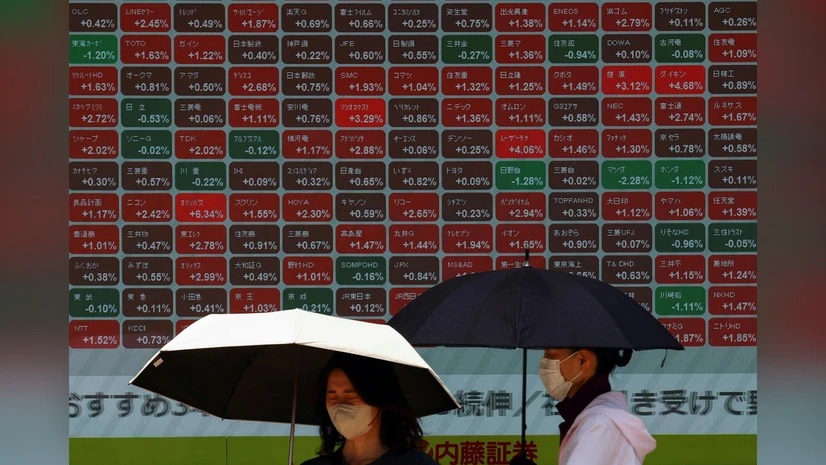
Asian Markets Analyzed
On Thursday, many stock markets across Asia and the US saw a dip in prices. This happened after a strong rise at the beginning of the year. Investors weren’t as excited as they were before. The Nikkei in Japan dropped, and Hong Kong’s market also went down, showing that the “New Year’s rally” wasn’t continuing.
Key Points
- Asian markets generally declined following a positive start to the year.
- US stock futures also dropped, reflecting investor caution.
- Trump’s comments impacted homebuilder stocks, creating market uncertainty.
- Oil prices rose due to US actions regarding Venezuelan oil.
- Bond yields fluctuated amid mixed economic reports from the United States.
- Currency exchange rates shifted, with the dollar experiencing slight weakness.
It’s important to remember that market trends can change quickly, so staying informed is key to making smart decisions.
Several factors are influencing these movements. President Trump made some comments about stopping big investors from buying houses, which worried companies that build homes. Also, there was news about oil, with the US taking control of some Venezuelan oil tankers.
The economy is also a big thing. Reports about how many jobs people are getting and how businesses are doing are causing investors to be a bit nervous. The US government will release more information about the economy on Friday, which could change things even more.
Finally, the dollar’s value changed a little, and the euro went up slightly. These changes happen all the time based on how people feel about investments and the economy.
Ultimately, understanding market fluctuations requires ongoing monitoring and a balanced perspective.