
DP World’s India Strategy Analyzed
DP World, a big company that moves goods around the world, is really excited about doing business in India. They plan to work even closer with Indian companies and offer more complicated ways to move products – like using ships, trains, and trucks together. They think India will become a really important place for trade, and they’re investing a lot of money to make it happen.
Key Points
- India is a growing market for DP World due to manufacturing & consumption.
- $8 Billion Investment: DP World is spending $8 billion in India for expansion.
- Multimodal Focus: They’ll use ships, trains, trucks – all together – for customers.
- Terminal Growth: Six new port terminals are planned, boosting container capacity.
- Government Support: Initiatives like Sagarmala improve India’s logistics.
- Strategic Location: India’s location is key for global trade routes.
DP World is strategically building a powerful network in India, allowing them to deliver goods quickly and reliably, which is crucial in today’s global market.
DP World has already put $3 billion into India and plans to spend another $5 billion. This money is going into building more ports and infrastructure. They own five ports already and are building a sixth one in Gujarat, which will be able to handle a lot more shipping containers.
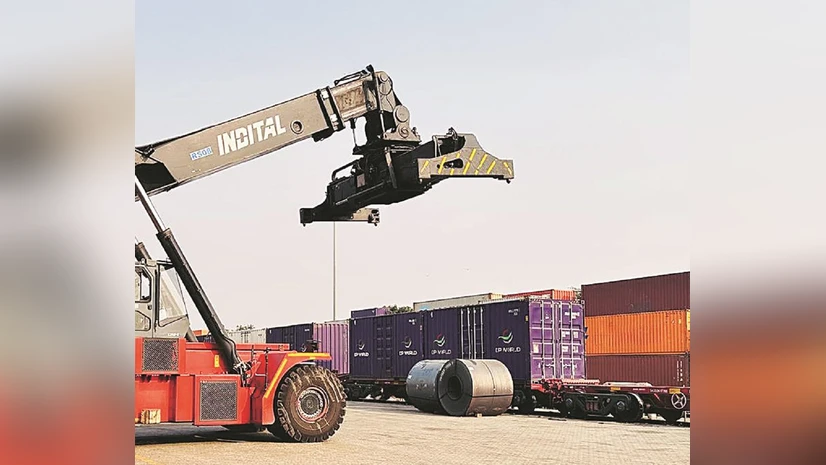
But it’s not just about ports. DP World is also using trains and trucks to move goods. They own around 16,000 containers and have warehouses that cover more than 5 million square feet across the country. They even run cold chain facilities (for keeping food and medicine cool) and help businesses send small packages quickly.
DP World also operates free trade zones, which are special areas where companies can import and export goods without paying all the usual taxes. This helps Indian businesses sell their products to other countries more easily.
What makes DP World’s approach different is that they want to help Indian companies sell their products all over the world. They can handle everything, from when the product is made to when it gets delivered to the customer’s door. This is important because supply chains (the routes goods take) can sometimes be disrupted, so it’s better to have a plan in place.
Despite some problems with trade between countries, DP World is still seeing growth in India. The Indian government is trying to encourage more businesses to make things in India, and DP World is helping them get those products to markets around the world. They are investing in new rail lines and improving the roads to make it easier to move goods.
DP World is planning to use their $5 billion investment to build more multimodal infrastructure – meaning they’ll use a combination of ships, trains, and trucks. They’ve already spent money on rail lines and free trade zones, and the new Tuna Tekra terminal will cost around $50 million. They’re also looking at building MagRail systems, ship repair facilities, and more.
The Indian government is helping DP World by investing in things like Sagarmala (which is improving port infrastructure), PM GatiShakti (which connects different transportation systems), and Bharatmala (which is building new roads). These efforts are making it easier and cheaper to move goods in India, which is good for everyone.
In the future, DP World will focus on helping Indian customers reduce their shipping costs and using their multimodal network to deliver goods quickly and efficiently. They believe that no single way of moving goods – like just ships or just trains – will be the best. As India’s economy grows and more infrastructure is built, DP World will help customers find the best combination of transportation methods to meet their needs.
Ultimately, DP World’s success in India hinges on creating a reliable and efficient global trade pathway for manufacturers.




