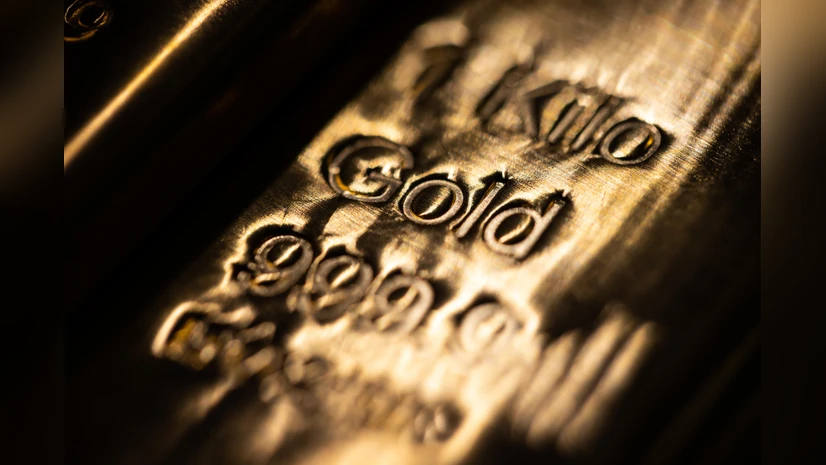
Digital Gold Purchases Analyzed: A Shifting Market
The way people are buying digital gold using UPI has changed recently. In November, the total amount of money spent on digital gold through UPI dropped by a lot – 47% – to ₹1,215.36 crore. This is a big difference from the ₹2,290.36 crore spent in October. However, even though the money spent decreased, more people were buying digital gold.
Key Points
- Sebi’s advisory slowed digital gold UPI purchases significantly in November.
- Value of digital gold purchases fell 47% to ₹1,215.36 crore.
- Transaction volume increased 6.44% to 123.42 million purchases.
- Sebi’s statement means no regulator checks digital gold vaults.
- Digital gold is marketed as a small, daily investment option.
- Fintechs like Jar and Gullak fuel the increasing demand.
Why the Change?
The reason for this shift is because of a warning from Sebi, the organization that watches over investments in India. Sebi told people to be careful when buying digital gold, which made many people stop spending money on it. This is a big deal because before, people could easily buy small amounts of gold every day using UPI, making it a simple way to invest.
What Does This Mean?
Before, buying digital gold was easy because you could use UPI (a quick payment system) to buy small amounts regularly. But now, because Sebi issued a warning, fewer people are buying it. This means that the companies that let you buy digital gold – like Paytm and PhonePe – are seeing less activity.
The Bigger Picture
Sebi’s statement is important because it means that no one is checking to make sure that the digital gold companies actually have real gold. This is a concern because it’s harder to trust these companies. The rise of companies like Jar and Gullak, which make it easy to invest small amounts daily, has helped keep digital gold popular, even with the warning from Sebi.
Investing in digital gold is now subject to increased scrutiny and requires careful consideration of regulatory oversight.