
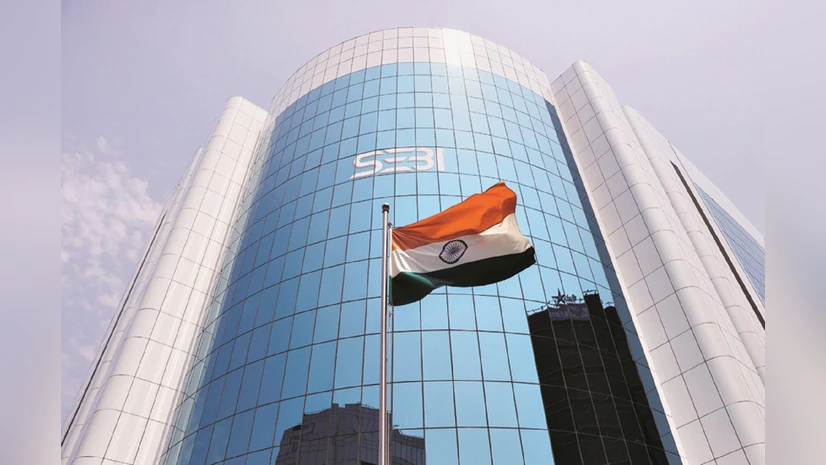
Sebi Overhauls Merchant Banker Rules – Analyzed
The Securities and Exchange Board of India (Sebi) has made significant changes to how merchant bankers operate. These new rules are designed to make the financial market safer and easier to do business in. The goal is to improve risk management and ensure financial stability for everyone involved.
Key Points
- New rules require merchant bankers to have substantial minimum net worth.
- Minimum revenue requirements ensure stability and accountable financial activity.
- Category 1 bankers need Rs 50 crore net worth, others lower.
- Liquid net worth requirement protects against financial instability.
- Transparency improved with independent valuation of employee compensation.
- Fee-based, non-fund activities become standard for merchant banking.
Under the new system, merchant bankers are divided into two categories based on their size and what they do. Category 1 banks must have a net worth of at least ₹50 crore and can handle almost any financial job. Category 2 banks have a lower net worth requirement of at least ₹10 crore.
Both categories need to keep a certain amount of money readily available – at least 25% of their total net worth. This is to protect against problems if a bank runs into trouble. Also, the amount a merchant bank can guarantee when helping companies sell stocks is limited to 20 times what they have in cash.
To make sure these banks are responsible, they also need to show they’re making enough money. Category 1 banks must earn at least ₹12.5 crore over three years, while Category 2 banks need at least ₹2.5 crore. Some smaller banks, like those just helping with things like bonds, don’t need to meet these revenue targets.
Crucially, Sebi is also changing who does valuations for employee stock options. Instead of using merchant bankers, independent valuers will now be used. This will improve how fairly employee compensation is determined.
Stronger regulations and increased transparency will foster a more stable and trustworthy financial environment.




