
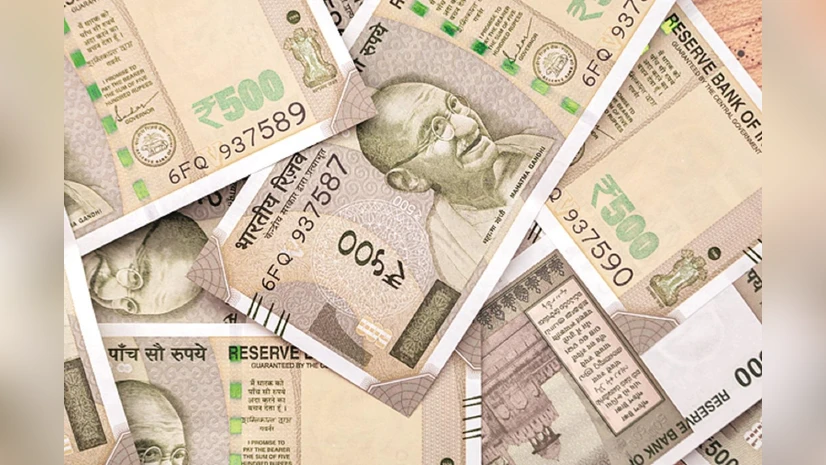
Rupee Performance Analyzed
The Indian rupee’s value changed significantly after the Reserve Bank of India (RBI) cut interest rates. Initially, the rupee was trading at 89.70 dollars, but it later settled at 89.99 dollars. This happened despite the rate cut, showing how other factors influenced the currency’s movement.
Key Points
- RBI cut rates, but rupee weakened slightly.
- Global risk and oil prices impact the rupee.
- RBI intervened to limit further rupee decline.
- India’s reserves are strong and abundant.
- Current account deficit is manageable and stable.
- Focus on domestic demand helps buffer external shocks.
The RBI took action to stabilize the rupee, demonstrating its commitment to managing the currency’s value. This intervention highlights the interconnectedness of the global financial market and India’s position within it.
To understand this change, it’s important to know that the RBI sold dollars in the foreign exchange market. This action helped prevent the rupee from falling further. They did this by selling dollars for 90.07 dollars.
The RBI Governor, Sanjay Malhotra, emphasized that India has plenty of money saved up, a manageable trade deficit, and strong underlying economic strengths. These factors support attracting investment and keeping the rupee stable.
He also addressed the impact of a new trade deal between the United States and other countries. The governor stated that India’s economy relies primarily on local demand, making it less vulnerable to these external trade policies. India is focusing on boosting its own economy.
India’s foreign exchange reserves are a massive $686 billion, enough to cover more than 11 months of imports. This significant buffer provides a strong foundation for the country’s economic stability.
A stable rupee is crucial for India’s economic growth and international trade.




